A Window into Millennia of Maritime Civilization
The story of Nansha Bay begins with the sea.
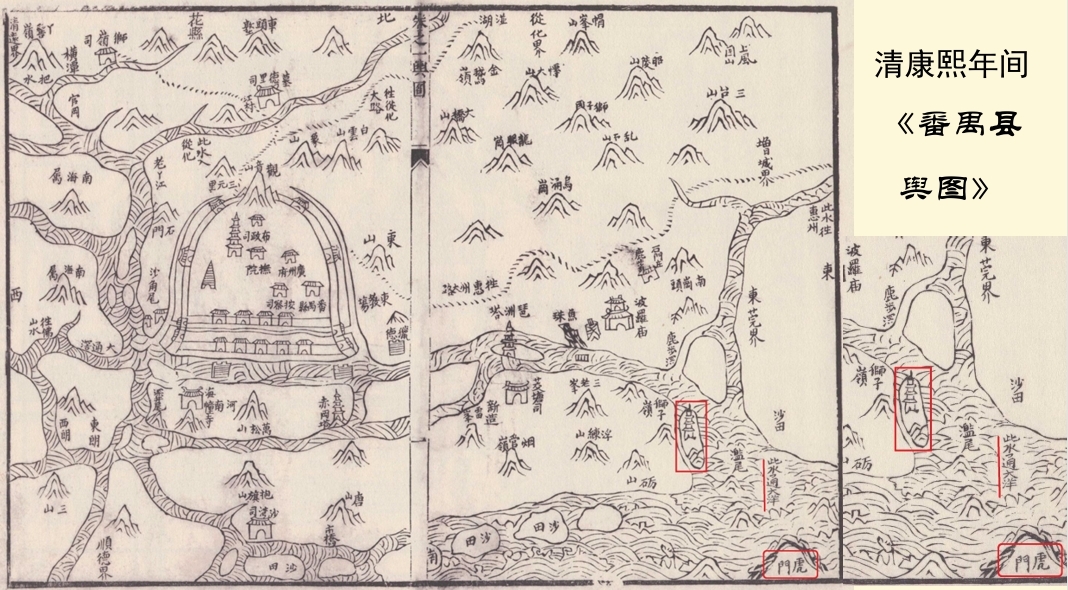
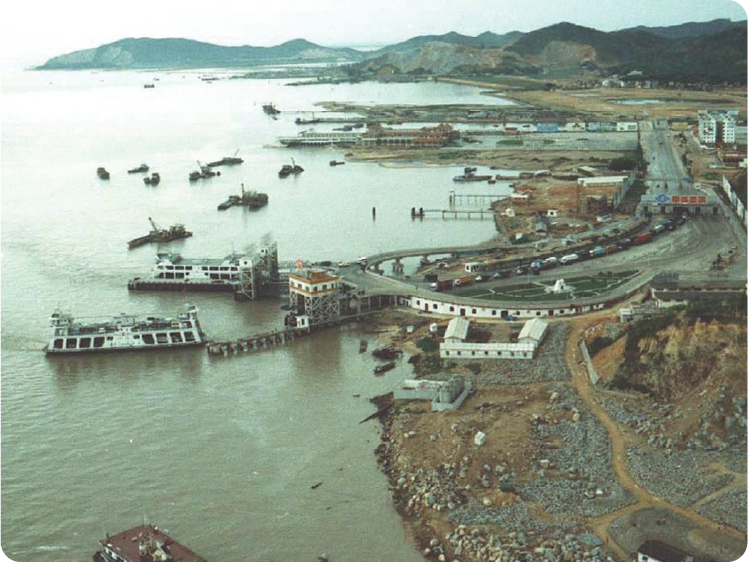
In the Tang dynasty, this was a trading anchorage known as Nanwan. Sandbars emerged during the Song and Yuan dynasties, nurturing the earliest villages, and by the Ming and Qing dynasties it had become an important coastal defense stronghold protecting Guangzhou. From Shacheng to Shapu and then Nansha, named after the sandbars south of Huangshanlu, each name records a deep dialogue between this land and the sea.
Here, archaeologists discovered the earliest complete skeleton of Nansha Man in Guangzhou, bearing witness to the geographic evolution of the Pearl River Delta and the sweeping history of human migration.
From Ancient Villages to Modern Turning Points
The Lujing site shows that people were already living and thriving here in the Neolithic period.
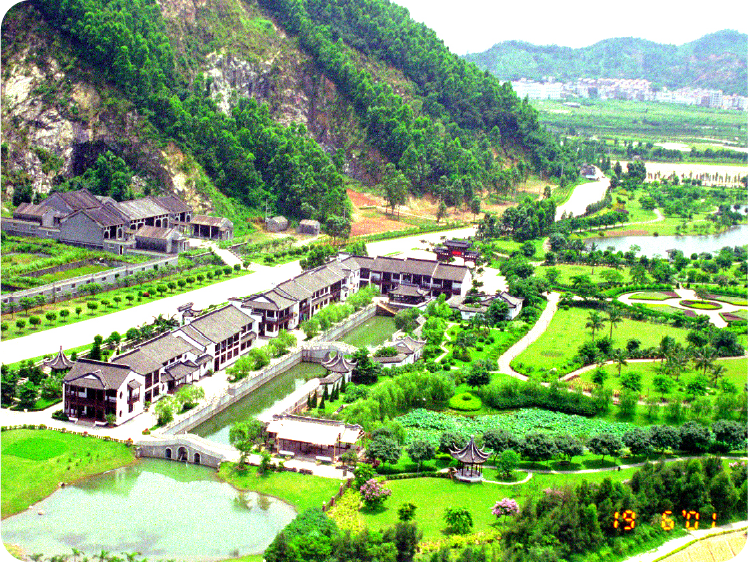
Tangkeng Ancient Village is one of Nansha's oldest villages, founded during the Zhizheng reign of the Yuan dynasty. It is home to the earliest surviving Tin Hau temple in Guangdong, witnessing the beliefs and cultural transmission of Cantonese people who sailed to Southeast Asia.
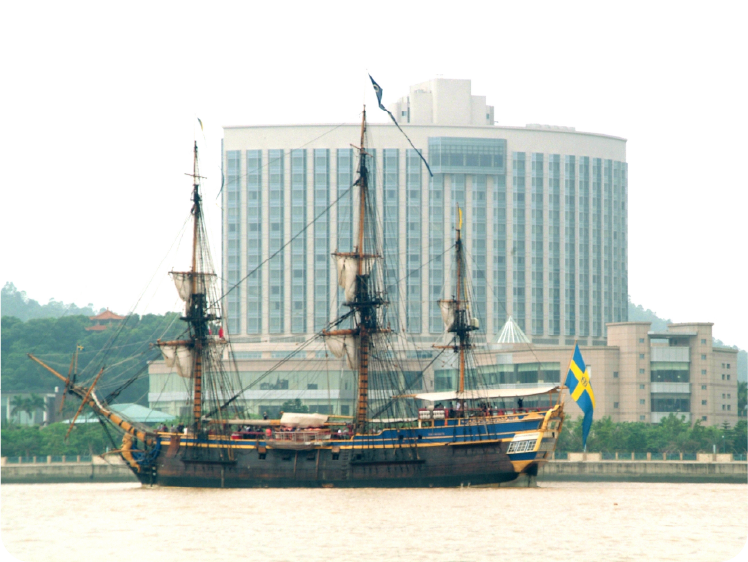
In the Qing dynasty, the Jin Suo Tong Guan defense line was built, and a customs post was established on Shanghengdang Island, where all foreign merchant ships entering Guangzhou were required to pay duties.
Dajiaoshan Fort and Shajiao Fort across the river guarded the Pearl River. This became the starting point of the Opium War, while Jinsuopai Lighthouse guided countless merchant ships and witnessed the opening chapter of modern history.
The Culture of Nansha
It is a distinctive fusion of Cantonese culture and maritime civilization.
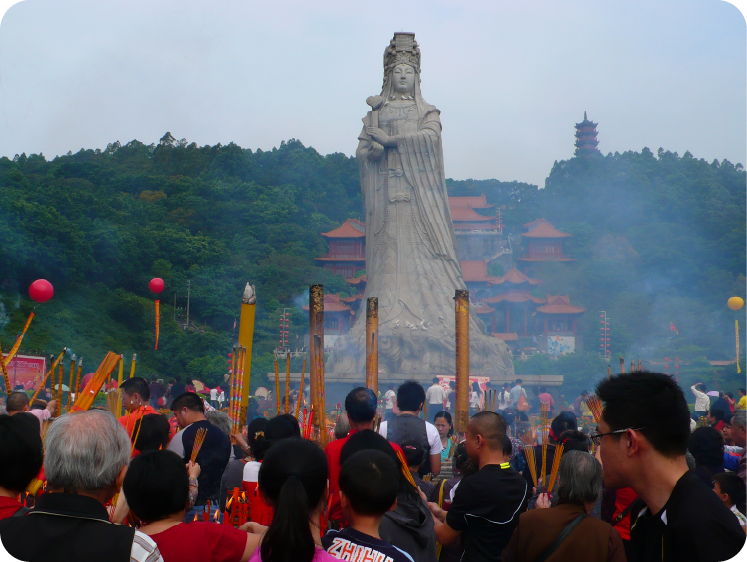
People of the sea may not have family genealogies, but they share the faith of Tin Hau. Mazu culture is deeply rooted here, becoming a spiritual anchor for families living on the water. From temple incense to festival rituals, it reflects the inclusiveness of Cantonese culture and the openness of maritime culture.
This land, once called Panyu's Siberia, now opens its arms to the world as a center of the Greater Bay Area. It is not only the blue sea and golden shore of the Pearl River estuary, but also a living scroll of history.